
If you’re like most homeowners, you probably don’t think twice about your HVAC system until the middle of a July heatwave or a freezing January night when the air suddenly stops moving. Then, it becomes the most important thing in your life.
But what exactly is HVAC? Is it just a fancy word for air conditioning? And how does it actually work to keep you comfortable?
Whether you’re looking to replace an old unit, troubleshoot a weird noise, or you just bought your first home, this guide will break down the complicated world of heating and cooling into plain English. No specialised jargon, no nonsense—just what you need to know.
What Does HVAC Actually Stand For?
HVAC stands for Heating, Ventilation, and Air Conditioning. Think of it as the respiratory system of your home. It doesn’t just change the temperature; it moves air, filters out dust and allergens, and controls humidity levels so you don’t feel like you’re living in a swamp (or a desert).
1. Heating (H)
The “H” is responsible for keeping you warm. This is usually handled by a furnace (which burns gas or propane) or a heat pump (which uses electricity to move heat).
2. Ventilation (V)
This is the most underrated part of the system. Ventilation ensures that air is constantly replaced. It pulls in fresh outdoor air, filters it, and exhausts “stale” indoor air containing carbon dioxide, odours, and moisture.
3. Air Conditioning (AC)
The “AC” part isn’t simply about making air cold; it’s about removing heat. An air conditioner draws heat out of your indoor air and dumps it outside, leaving the remaining air chilled and comfortable.
How Does an HVAC System Work? (The Simple Version)
You don’t need an engineering degree to understand the basics. Most systems operate on a cycle of moving heat rather than “creating cold.”
- The Thermostat Triggers the Cycle:When the temperature in your house deviates from your setting, the thermostat sends an electrical signal to the system.
- Air Intake:A fan draws air from your rooms through “return” vents.
- Filtering:The air passes through a filter to catch dust, hair, and debris.
- Heating or Cooling:* In Winter: The air passes over a heat exchanger (heated by gas) or an electric heating element.
- In Summer:The air passes over cold evaporator coils filled with refrigerant.
- Distribution:The newly conditioned air is pushed through a network of ducts and released into your rooms through “supply” vents.
The Main Components You Should Know
If a technician comes to your house, they’ll start throwing around terms such as “evaporator coil” or “compressor.” Here’s a quick cheat sheet so you can follow along:
- Furnace:Located in your attic, basement, or closet. It creates heat.
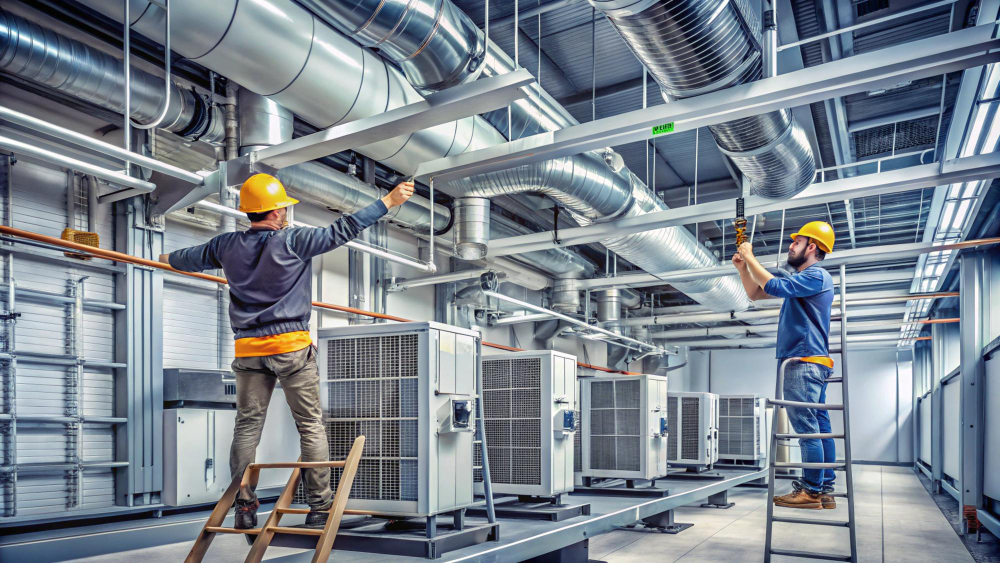
- Condenser Unit:The large metal box outside your house. This is where heat is released into the outdoor air.
- Evaporator Coil:Located inside (usually on top of the furnace). This is what actually cools the air.
- Ductwork:The “pipes” that carry air throughout your home.
- Refrigerant:The chemical (often called Puron or R-410A) that travels between the indoor and outdoor units to carry heat.
The Different Types of HVAC Systems
Not every home uses the same setup. Depending on where you live and the age of your home, you likely have one of these four:
1. Split Systems (The Classic)
This is the most common type. You have an indoor unit (furnace/evaporator) and an outdoor unit (condenser). They are “split” between the inside and outside of the house.
2. Hybrid Systems
These use a “dual fuel” approach. They have an electric heat pump for mild days and a gas furnace that kicks in when temperatures drop below freezing. It’s incredibly energy-efficient.
3. Ductless Mini-Splits
Perfect for older homes or additions where installing bulky ducts isn’t possible. Each room gets its own small unit mounted on the wall.
4. Packaged Systems
Common in warmer climates or smaller homes, these systems house all the components in one big “package” located outside or on the roof.
Why Maintenance Isn’t Just “Optional”
If you take one thing away from this guide, let it be this: Change your air filters.
HVAC systems are expensive. The number one cause of system failure is restricted airflow caused by dirty filters. When the filter is clogged, the system has to work twice as hard, which wears out the motor and sky-rockets your energy bill.
A Simple Maintenance Checklist:
- Change filters:Every 1–3 months.
- Clear the outdoor unit:Keep leaves, dirt, and “mow-clippings” away from the outside condenser.
- Annual Tune-ups:Have a pro look at it once in the spring (for AC) and once in the fall (for Heat).
Signs Your System Needs Professional Help
Listen to your house! It will usually tell you when something is wrong before the whole system quits. Keep an eye out for:
- Strange Noises:Squealing, banging, or grinding is never a good sign.
- Short Cycling:If the system turns on and off every few minutes, it’s struggling.
- Uneven Temperatures:One room is an ice box while the other is a sauna.
- Spiking Bills:If your usage hasn’t changed but your bill has doubled, your system is losing efficiency.
Common HVAC Myths Debunked
Myth: Turning the thermostat to 60°F will cool the house faster.
Reality: Your AC runs at one speed. Setting it lower won’t make it work faster; it will just make it run longer, wasting energy.
Myth: Closing vents in unused rooms saves money.
Reality: HVAC systems are designed for specific “static pressure.” Closing vents can actually damage your ductwork and cause the blower motor to burn out.
Summary: Comfort is Key
Your HVAC system is the core of your home’s comfort. While it might seem like a complex maze of wires and metal, its job is simple: to keep you safe and comfortable regardless of what the weather is doing outside. By understanding the basics and keeping up with simple maintenance, you can extend your system’s life and keep your utility bills in check.
Frequently Asked Questions (FAQ)
1. How long does a typical HVAC system last?
On average, a well-maintained HVAC system lasts between 15 and 25 years. However, this varies by component. Furnaces usually have the longest lifespan (up to 20 years), while air conditioning units and heat pumps typically last 10 to 15 years because they endure more “wear and tear” from moisture and outdoor exposure.
2. What is a SEER rating, and why does it matter?
SEER stands for Seasonal Energy Efficiency Ratio. It measures how much cooling a system puts out for every unit of energy it consumes. Think of it like “miles per gallon” for your AC.
- Higher SEER = Better efficiency.
- Most modern systems range from 13 to 21+. While higher SEER units cost more upfront, they significantly lower your monthly electricity bills.
3. How often should I actually change my air filter?
The “standard” answer is every 90 days, but it depends on your lifestyle:
- Single occupant/no pets:You can push it to every 6 months.
- Average suburban home:Every 90 days.
- Pets or allergies:Every 30–60 days.
- Pro Tip:If you hold your filter up to a light and can’t see the light through it, it’s time for a change.
4. Is a Heat Pump better than a Gas Furnace?
It depends on your climate.
- Heat Pumpsare incredibly efficient because they move heat rather than create They work best in moderate climates.
- Gas Furnacesare better for extreme northern climates where temperatures stay below freezing for long periods, as they can generate intense heat more quickly.
- Many people now choose a Hybrid Systemto get the best of both worlds.
5. Why is my HVAC system leaking water?
If it’s summer and you see water near your indoor unit, it’s usually because the condensate drain line is clogged. Your AC pulls humidity out of the air, and that moisture turns into water. If the drainpipe becomes clogged with algae or debris, the water overflows. This is a common, easy fix, but it should be handled quickly to avoid water damage to your floor or ceiling.